


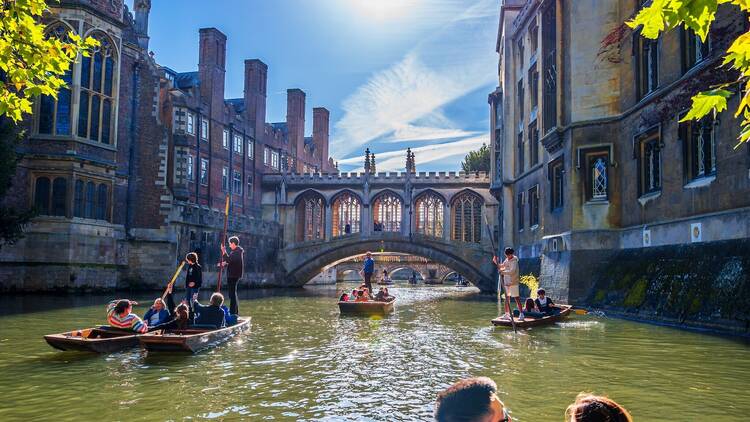
Nestled in the county of Cambridgeshire, the historic city of Cambridge is bisected by the River Cam and defined by its eponymous university. Yet, beneath the dreaming spires and academic prestige lies a starkly divided municipality in eastern England—Cambridge is one of the most economically unequal cities in Britain. The railway line, a casual traveller’s marker, serves as a brutal socioeconomic scar, demarcating the impoverished north and east from the affluent enclaves that lie opposite. This entrenched class divide, far from being a modern anomaly, has long nurtured a vibrant, albeit fragmented, communist movement in the city that persists in various guises to this day.
In 2004, the King’s College Student Union voted to take down the historic red flag, but the iconoclasm proved superficial; left-wing ideology and revolutionary fervour remained deeply ingrained within the university’s fabric. According to a recent survey by the Cambridge Marxist Society, thirty-two per cent of young people still profess a positive view of communism. It is within this intellectual milieu that the ghosts of the “Cambridge Five”—Kim Philby, Donald Maclean, Guy Burgess, Anthony Blunt, and John Cairncross—continue to exert a potent influence. For these men, espionage was less an act of treason and more a profound ideological choice: a commitment to working-class solidarity that superseded the jingoistic nationalism of a crumbling British empire based on colonial plunder, racism and apartheid. It was class, not nation, that defined their ideological act in defence of the Soviet Union—a commitment to working-class solidarity that superseded all nationalist propaganda against the USSR. Their revolutionary conviction remains unparalleled in the city’s political history.
This legacy was not confined to clandestine circles. In the 1946 local elections, communist candidate Pearl Lilley secured 20.2 per cent of the vote in the Cambridge Borough Council, a seat normally considered a safe Conservative hold (the victorious Tory candidate won by a mere 3.3 per cent). The Trumpington ward, in particular, emerged as a stronghold of party support. The alternative policies articulated by the Cambridge Communist Party in their post-war pamphlets possess a startling contemporaneity. Their demands—for spacious housing, comprehensive healthcare, maternity and child welfare, robust education, recreational clubs, and progressive town planning that segregated commercial thoroughfares from residential tranquillity—read like a blueprint for modern urban equity. Crucially, they offered fiscal strategies to fund this infrastructure, pre-emptively answering the perennial objection: “Where will the money come from?” Furthermore, they championed a cooperative retail model structured for public benefit, laying out a thirty-five-page manifesto and its vision that interwove domestic reform with militant anti-fascist and anti-Nazi mobilization. The issues they raised and the alternatives they offered have lost none of their relevance for Cambridge and the wider country today.
The communists of Cambridge were never parochial; their fight was inherently internationalist, extending solidarity to anti-colonial and anti-racist struggles against British imperialism, apartheid. And colonial plunder. This global conscience was galvanised by the presence of the American bass-baritone, activist, and communist Paul Robeson, whose concerts at the Cambridge Regal were not mere entertainment but acts of political communion. Robeson’s subsequent tours of Scottish mining towns and northern England exemplified the party’s strategy of weaving cultural outreach with mass mobilisation to raise class consciousness, expand class organisation and class struggle.
Today, as racially motivated hate crimes surge and people of colour face increasing hostility in Cambridge and across the country, the communists continue to remain at the vanguard of anti-racist action. Yet the pressing question lingers: will communists repay the historic debt of solidarity to the black community through substantive action, rather than belated, haphazardly crafted statements? Will their solidarity be proven not in ink, and speeches but in the defiant presence of their feet on the streets, defending those under siege because of their skin colour?
