


“Why do you not dress like a teacher, lecturer, or professor?” asked a well-meaning, innocent colleague who liked to dress up properly for different occasions. She asserted herself further by saying, “Dressing does not reduce your commie praxis. Stop dressing like a drug addict“. The reply was simple: a teacher must dress like his students and the majority of staff members on campus. Any other form of dressing—beyond mere coverage of nudity and the representation of a professorial or organisational position—would become a marker of identity, signalling power and privilege in a space where most students struggle to pay their fees and staff struggle to meet their mortgages.
However, this is not a simple question of ‘dress and dressing’ within this context. It is also an obsession and a stimulant ritual of the gig economy of glamour, where desire overrides necessity, and dress and dressing become tools to domesticate individuals in the name of being ‘presentable’ or having an ‘acceptable dressing sense.’ People now have more clothes with price tags still on, stuffed into overflowing cupboards and boxes in home garages, than they could ever wear. This is a way of constructing material ‘self-expression’ based on the outer layers of the body—dress as an extension of personality.
What to wear? When to wear, and how to wear? What is a presentable form of dressing, and what is not? What is professional and what is unprofessional? What is smart dressing, and what is sexy dressing? What is beautiful? These are not merely simple questions. They are fundamental questions that shape our everyday behaviour and domesticate individuals in their daily lives—both in terms of their presentation of self to others and their physical representation across different spaces, times, and with different people in different situations.
From school uniforms to wedding and funeral attire, from dress for corporate board meetings to dress for the classroom, from graduation gowns to party wear, black-tie dinners to dinner dates, clubbing outfits, holiday clothes, sporting wear, nightwear, and even dress for the bedroom, bathroom, and kitchen—it goes on. In all aspects of life, there is a dress code. Any deviation in dressing presents the individual in a different light and often gets them branded as deviant in life and society.
The idea of dress, dressing, and being fashionable appears normal in the everyday life of people, irrespective of gender, sexuality, class, caste, race, nationality, or any other regional and ethnic variation. Dresses are identified with race, ethnicity, religion, region, class, gender, sexuality, and other forms of individual representation and identity.
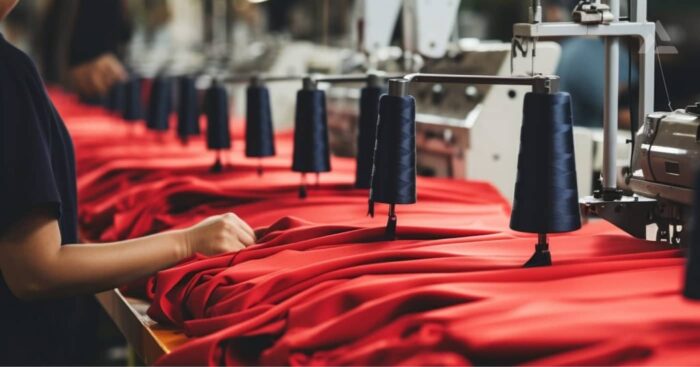
Even professional dress codes exist for doctors, nurses, lawyers, judges, priests, corporate managers, and workers in different factories. Yet such normalisation of dress and dressing in terms of fashion was not always normal. People have only been socialised into it within the last three centuries or less. Dress and dressing have been transformed from necessity to desire with the rise of the fashion industry. From comfort to luxury, all-inclusive fat fashion to fast fashion, from zero size to oversized flamboyance—it works like drugs for people today. It has produced a culture where people have begun searching for their ‘self’ in a shopping bag, and their ‘self-worth’ is now defined by price tags printed by corporations.
The corporate and economic construction of individual ‘self-worth’ is shaped by the idea of the ‘material self,’ as conceptualised by psychologist William James in his book The Principles of Psychology: Volume 1. He defines the material self in a narrow, essentialist manner by stating: “a man’s self is the sum total of all that he can call his, not only his body and his psychic powers, but his clothes and his house.” Such a narrow definition of human life is central to the construction of the material self, which in turn underpins the construction of ‘self-expression’ through dress and dressing. This very notion lies at the heart of the fashion industry—in all its representative forms and inclusive shapes.
The way tobacco consumption was normalised in the name of empowerment, the fashion industry was similarly naturalised under the guise of ‘self-expression’ or an ‘extension of personality.’ Tobacco and fashion are old drugs that continue to stimulate individual consumers and transform their everyday lives—shifting necessities into commodity desires in order to realise their material self-expression and worth. Such a trap not only domesticates individuals but also places them under debt in the search for meaning of life in the marketplace of dead commodities. Instead of individuals defining commodities, commodities—like dress, cars, houses, and other wearable and non-wearable material products—come to define life.
The commodification of life is central to the survival of capitalism as a social, cultural, political, and economic system. It neither emancipates people from their conditions nor creates conditions for material, spiritual, cultural, social, or political self-expression. Buddhist, Islamic, or any other religious fashion does not help to realise spiritual freedom. Alienation is the only outcome of capitalism, all religions, and drugs. Spiritual freedom in life depends on collective connections of human life based on solidarity. Commodity competition within the fashion industry provides neither self-expression nor smart representation. It is an abstract construction meant to bind people within the commodity culture of capitalism and its fictitious consumption of drugs like tobacco and fashion.
Wear what you like and feel comfortable in, based on weather, tradition, culture, and personal choice—without falling into the capitalist trap where addiction to the drugs of fashion means searching for the self in a shopping bag, and where people are undermined with a price tag. Cover nudity, but do not hide individual natural beauty under the pressure of the fashion industry and its advertising machinery, which reconstruct individuals into acceptable forms of presentation as per market requirements—market that seeks only profit for capitalism by manipulating individual minds. Seek alternatives that help satisfy individual needs and desires for self-expression, rather than domestication by fashion industries.
The author can be mailed at bhabani79@gmail.com
