


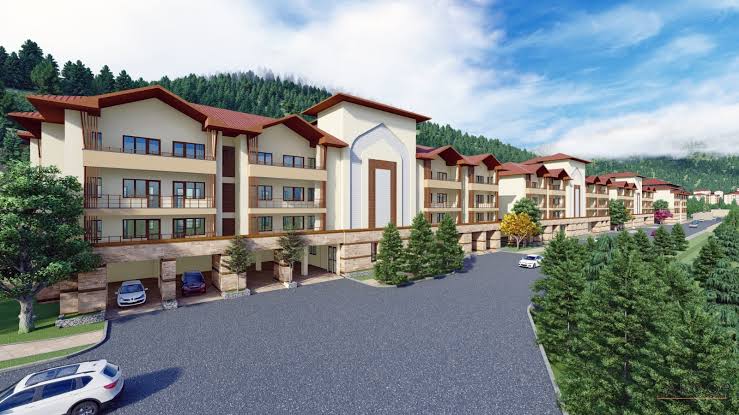
After missing several deadlines for its operationalisation, the All India Institute of Medical Sciences (AIIMS) at Awantipora in south Kashmir’s Pulwama district is likely to begin Outpatient Department (OPD) services in November 2026, an official said.
The development comes amid renewed efforts by the district administration to expedite pending works and ensure that essential facilities, medical equipment, statutory clearances and human resources are in place to make the much-awaited institution functional.
An official was quoted as saying by news agency KNO that although the administration had directed the concerned agencies to make the OPD functional by the end of October, the services are now likely to commence in November, subject to completion of pending works and necessary operational arrangements.
The proposed start of OPD services has raised hopes among people across south Kashmir, who have been waiting for the institution to become functional and provide advanced healthcare facilities closer to their homes. The project has remained a major public expectation for years, with its early operationalisation considered crucial for reducing the burden on existing government hospitals and easing difficulties faced by patients who travel to Srinagar and other places for specialised treatment.
The latest review was conducted by District Development Commissioner Pulwama, Kuldeep Krishan Sidha, who chaired a meeting to assess construction status, pending works, statutory approvals and preparedness for operationalising different facilities at the campus.
According to details shared during the meeting, AIIMS Awantipora has achieved around 81 per cent overall physical progress, while financial progress stands at approximately 72.59 per cent. The meeting was informed that the revised master plan and associated changes had been approved, while a detailed presentation was made on the phase-wise construction schedule, infrastructure, statutory clearances and other essential components required for the institution’s functioning.
The DDC said that operationalisation should be treated as a priority, particularly in view of the healthcare needs of the people and the approaching winter season.
Reviewing Phase-I works, officials informed the meeting that Hospital Block-1 had achieved 100 per cent progress, while Hospital Block-2 was around 99 per cent complete. The DDC directed the executing agency to address all outstanding issues on priority, with instructions to make the OPD functional by the end of October wherever feasible.
The meeting also reviewed Phase-II, which includes academic, administrative and hostel buildings. Officials said civil works had reached an advanced stage. The executing agency was directed to complete remaining civil works within 20 days wherever technically feasible and ensure the buildings are made functional by the end of November.
Reviewing Phase-III, the DDC directed agencies to accelerate works on components reporting 75 to 80 per cent progress, including remaining hospital blocks, academic buildings, residential quarters, hostels and external development works. The DDC also directed completion of the shopping complex and guest house at the earliest.
On statutory clearances, the DDC directed all concerned departments to provide pending No Objection Certificates before the end of October and prepare a clear action plan to secure necessary approvals without further delay.
The DDC further directed authorities to ensure that required Senior Residents and other necessary human resources are available before the OPD begins functioning, and to submit details regarding manpower availability and identify facilities ready for operationalisation.
Once fully operational, the institute is expected to strengthen access to specialised medical services and reduce the need for patients to travel long distances for consultations and treatment.
For residents of Pulwama, Shopian, Anantnag and other parts of south Kashmir, the institution is expected to provide a major boost to the region’s healthcare infrastructure. However, its benefits will depend not only on the commencement of OPD services but also on the availability of specialists, diagnostic facilities, medical equipment and supporting infrastructure.
